Voices from the Lab: Carla Siniscalchi
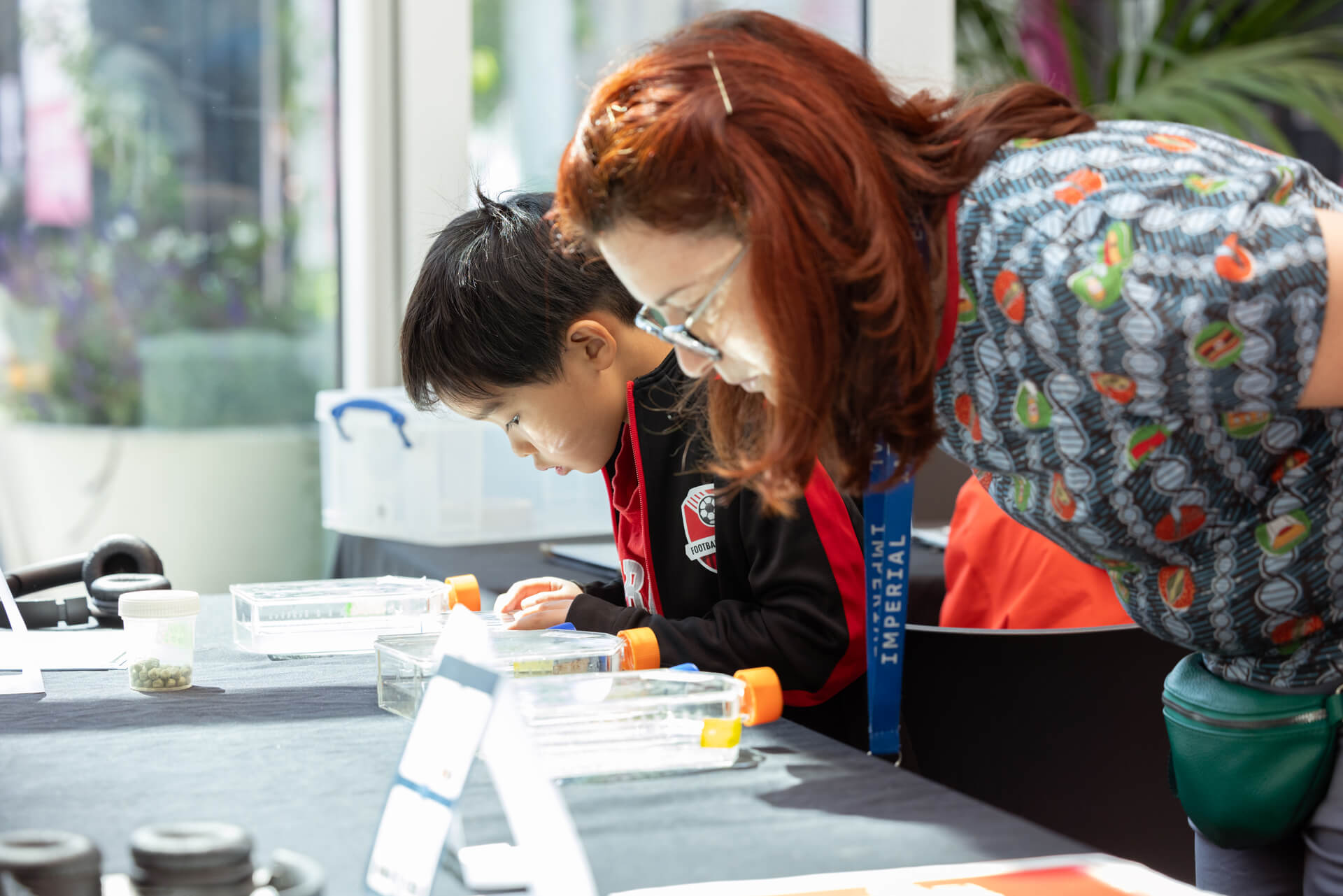

Voices from the Lab is our new video series highlighting our scientists and researchers, and the work they do to help us fight against malaria.
What do you do at Target Malaria?
As the Senior Translational Research Training Facility Manager at Target Malaria, my job is to make sure our researchers have everything they need to do great science. I oversee our laboratories and insectaries, coordinate training, support technical teams, manage equipment and facilities, and help solve the many practical challenges that come with running a busy research programme. Ultimately, I help create an environment where research can happen safely, efficiently, and effectively
What motivated you and how did you enter this line of work?
I’ve always been passionate about Biotechnology and Molecular Biology, which led me to pursue a PhD and a research career working on genetic technologies for mosquito control. Over time, I realised that what I enjoy most is not just the science itself, but helping people succeed.
What motivates me is using my knowledge and experience to help others develop themselves. Whether it’s training someone in a new technique, mentoring a team member, or helping solve a problem, I find it incredibly rewarding to see people grow in confidence and progress in their careers. In my current role, my job is to enable researchers, technicians, and students to work smoothly, safely, and efficiently by providing the right training, facilities, equipment, and support. Knowing that I can help create an environment where people and science can thrive is what motivates me every day.
What did you study at university?
I studied Biotechnology in Italy, completing both my Bachelor’s and Master’s degrees at the University of Naples Federico II. I then went on to do a PhD at the University of Perugia in collaboration with Imperial College London. My research focused on developing new genetic technologies for mosquito control, including early gene drive systems such as TALENs and Zinc Fingers, with the aim of reducing the transmission of diseases like malaria.
What does a typical day at the lab actually look like?
There is no such thing as a typical day!
One day I could be training new researchers, troubleshooting laboratory equipment, meeting with scientists to plan studies, or managing a team of technicians. Another day might involve developing new laboratory facilities, reviewing biosafety procedures, coordinating international shipments of mosquito strains, or delivering training to partner teams in Africa.
I also spend time directly supporting research projects, helping to solve technical challenges and ensuring that the laboratory infrastructure and processes enable scientists to focus on their experiments. Every day is different, which is one of the things I enjoy most about the job.
What’s something about your work that surprises people?
People are often surprised by how much hands-on work goes into mosquito research. When they hear about genetics, gene drives, or biotechnology, they usually imagine scientists spending most of their time working with computers or sophisticated laboratory instruments. A huge amount of technical expertise and daily care is required to maintain mosquito colonies. One thing I always like to clarify is that the mosquitoes we work with at Imperial College London are not infected with malaria parasites. They are maintained under strict containment and biosafety procedures for research purposes.
Despite being tiny insects, mosquitoes require constant attention. Every day, we monitor temperature and humidity, prepare food for larvae, maintain breeding colonies, collect eggs, sort mosquitoes, and carry out delicate procedures such as microinjecting mosquito embryos. Looking after thousands of mosquitoes requires a surprising amount of skill, patience, and organisation. People are also often surprised by the variety of my role. While I have a scientific background, a large part of my job is making sure that researchers, technicians, and students can work smoothly, safely, and effectively. I oversee facilities, training, equipment, biosafety, and operational processes so that the science can happen efficiently and to the highest standards. My role is really about enabling others to do great science by providing the environment, resources, and support they need to succeed.
What I find fascinating is that behind every scientific breakthrough there is an enormous amount of teamwork, planning, infrastructure, and care that most people never get to see. That’s often the biggest surprise of all.
