Uganda Virus Research Institute marks 90 Years of Discoveries and Global Impact

What started as a Yellow Fever Research Institute 90 years ago has grown into a world-class centre of excellence in research.
UVRI’s story began in 1936 as the Yellow Fever Research Institute, established during British colonial rule with support from the Rockefeller Foundation. It would later become the East African Virus Research Institute, reflecting its wider regional mandate, before eventually assuming its present name, the Uganda Virus Research Institute, in 1977.
Over the decades, UVRI has made important contributions to Uganda’s health security architecture, particularly in disease surveillance, laboratory diagnostics, and outbreak response. The Institute has supported the detection and confirmation of major disease outbreaks, including Ebola virus disease and other viral hemorrhagic fevers. Its expertise and laboratory capacity have helped ensure rapid health action during emergencies, saving lives, and reducing the spread of diseases.
With support from government and collaborators, UVRI has grown into one of Africa’s premier research institutions, credited with key discoveries including West Nile virus, Zika virus and pioneering work on HIV, Ebola, Marburg and Rift Valley fever and fundamental and fundamental and applied research on infectious diseases, focusing on HIV/AIDS, vector-borne viral threats, and co-endemic conditions like tuberculosis and malaria.
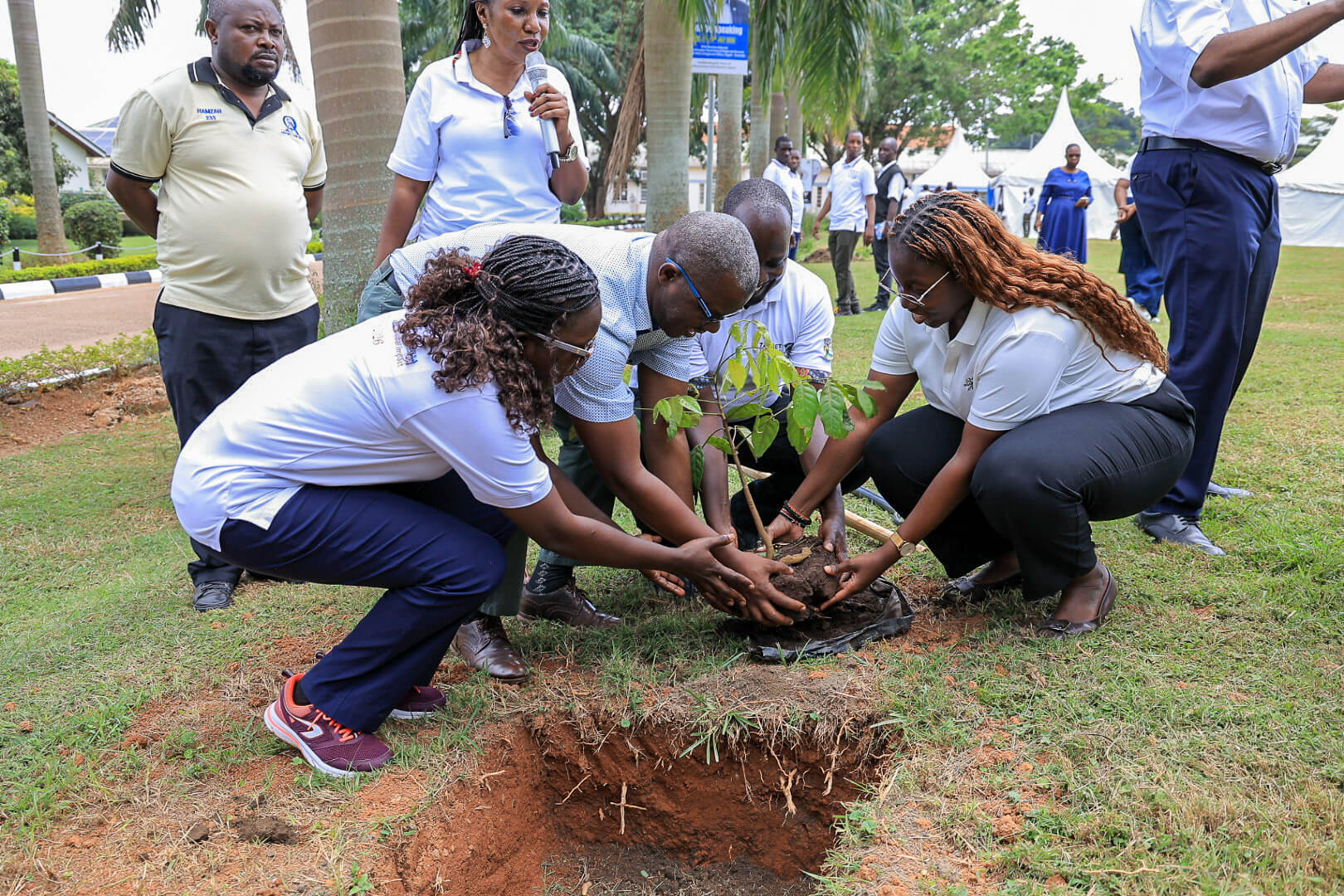
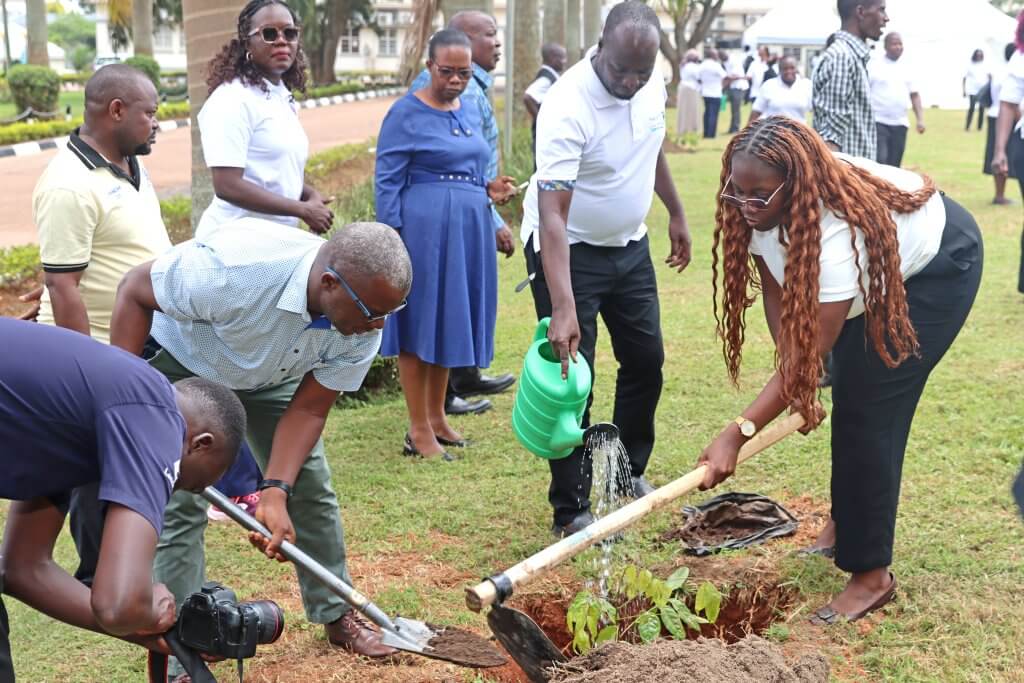
The Institute marked its 90th anniversary under the theme “Celebrating 90 Years of Discoveries and Global Impact.” Among the activities to celebrate the 90 years last week was a tree planting campaign “90 Trees at 90” tree-planting campaign.
Target Malaria Uganda was proud to join these celebrations.
Held under the theme “90 Years of Discoveries, A Future Taking Root,” the initiative brought together staff, partners and stakeholders to plant indigenous trees as a symbol of growth, resilience and a shared commitment to environmental sustainability. Each tree planted represented a lasting investment in the future much like scientific research, which thrives through collaboration, patience and continuous innovation.
Exploring the Science behind 90 Years of Global Impact
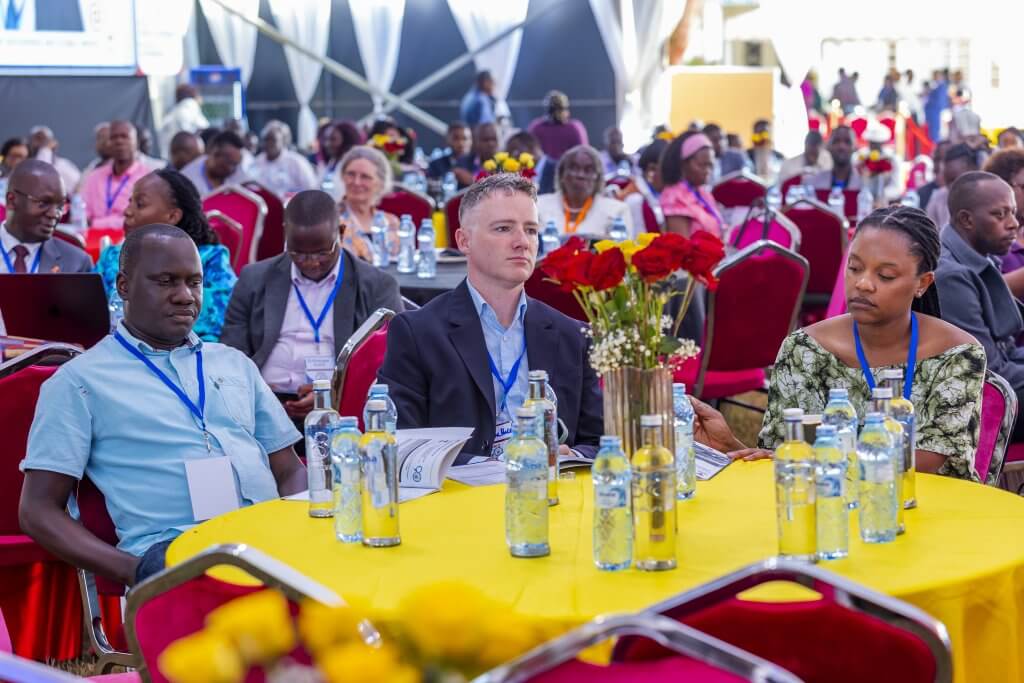
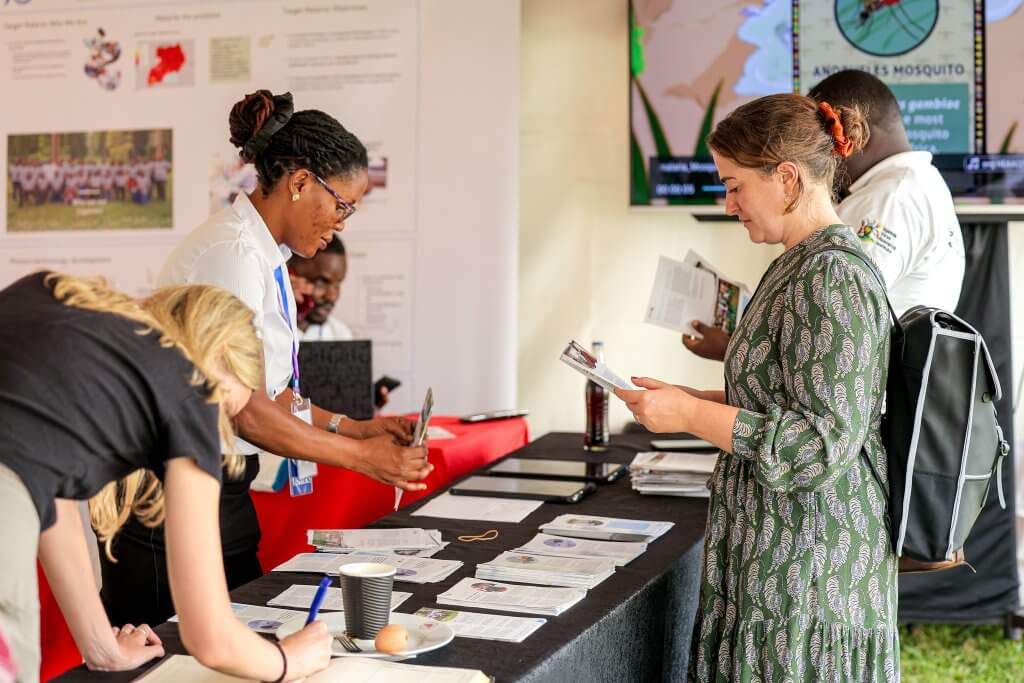
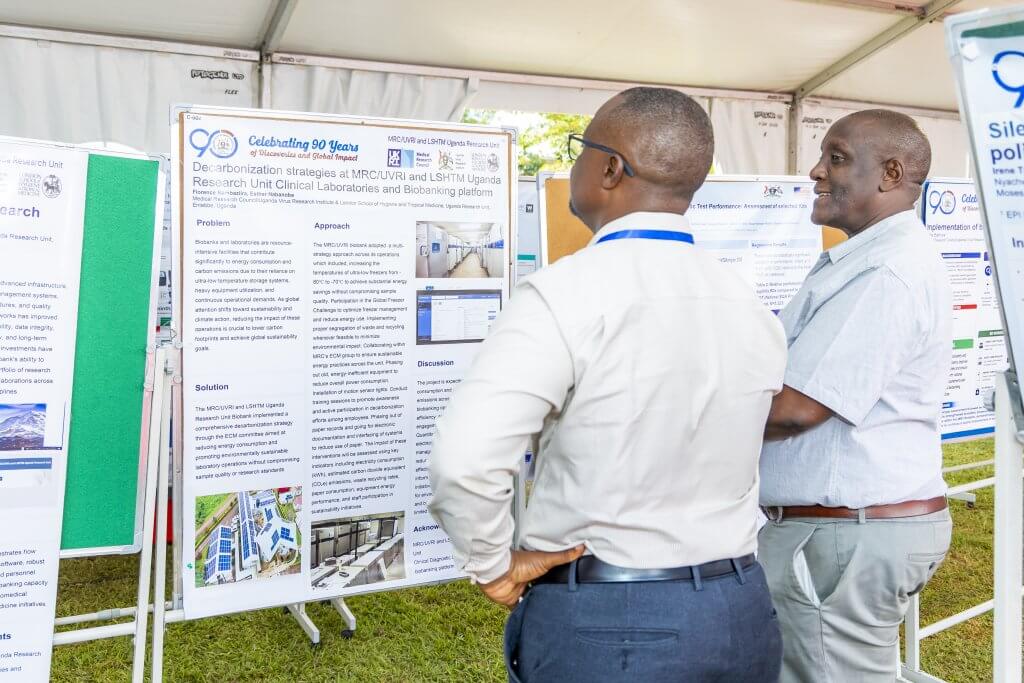
Science took center stage on Day One of the anniversary celebrations through an open day, scientific exhibitions and a high-level symposium that showcased the breadth and impact of UVRI’s research. Visitors explored interactive exhibitions, laboratory demonstrations and displays highlighting advances in entomology, virology, immunology, epidemiology, genomics and infectious disease surveillance, while engaging directly with researchers to learn how the Institute’s work informs public health policy and strengthens disease surveillance.
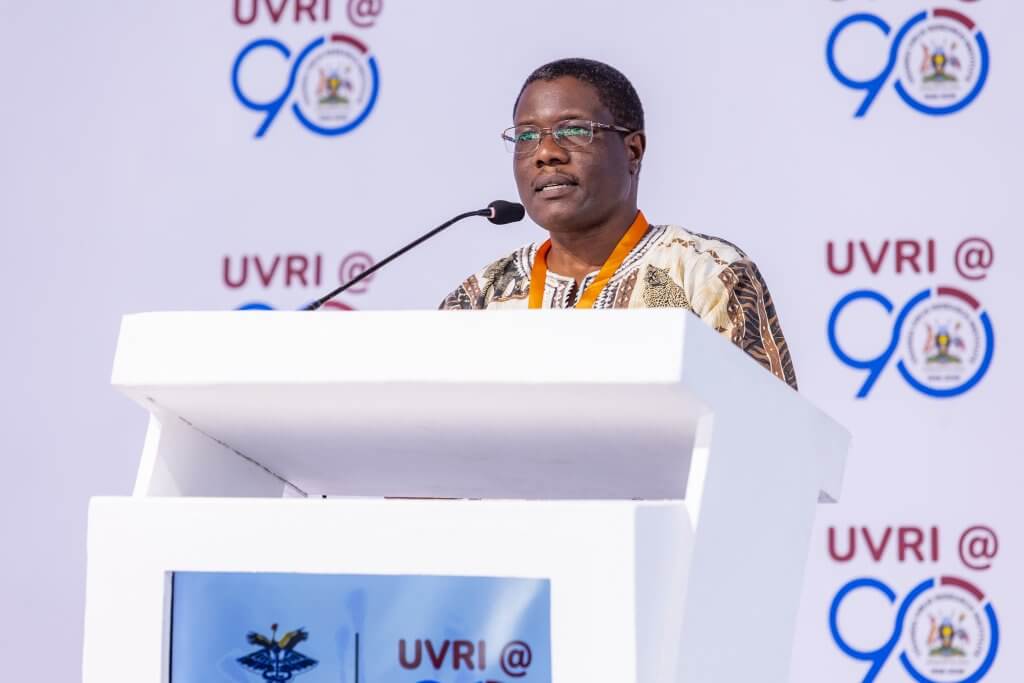
The symposium brought together leading experts from Uganda and around the world to reflect on UVRI’s past, present and future while addressing critical public health priorities. Discussions covered virus surveillance and discovery, emerging global viral threats, epidemic and outbreak response, vector control approaches including gene drive and non-gene drive strategies presented by Dr. Jonathan Kayondo, Principal investigator of Target Malaria Uganda. Together, the sessions showed the importance of innovation, collaboration and scientific excellence in advancing public health across Uganda, the region and beyond.
Global Leaders Join UVRI in Celebrating 90 Years of Scientific Excellence
The second day of the Uganda Virus Research Institute’s 90th anniversary celebrations highlighted the Institute’s enduring legacy of scientific excellence, innovation and global collaboration.
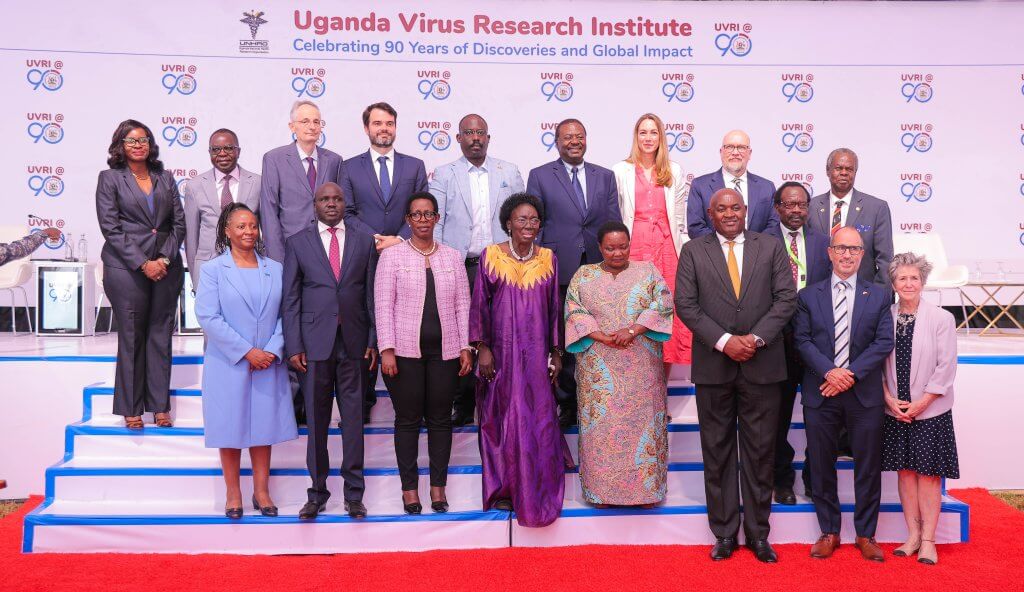
The celebrations were graced by distinguished guests, including the Prime Minister of Uganda, Rt. Hon. Robinah Nabbanja, who represented H.E. President Yoweri Kaguta Museveni; the First Deputy Prime Minister and Minister for East African Community Affairs, Rt. Hon. Rebecca Alitwala Kadaga; Minister of Health, Hon. Dr. Chris Baryomunsi; Permanent Secretary, Ministry of Health, Dr. Diana Atwine; UNHRO Director Dr. Sam Okware; WHO Country representative, Dr. Kasonde Mwinga and representatives from the United Kingdom, the U.S. Chargé d’Affaires Mr. Mika Cleverley, U.S. Embassy Uganda, Germany, the European Union, KfW, the East African Community secretariat, and other development and research partners.
The anniversary celebrations also received a special message from Dr. Tedros Adhanom Ghebreyesus, Director-General of the World Health Organization (WHO), who congratulated UVRI on 90 years of scientific excellence and its significant contributions to global health. In his recorded message, Dr. Tedros recognized the Institute’s critical role in disease surveillance, outbreak response, research and innovation, noting that UVRI’s work has contributed to strengthening health security in Uganda, Africa and beyond.
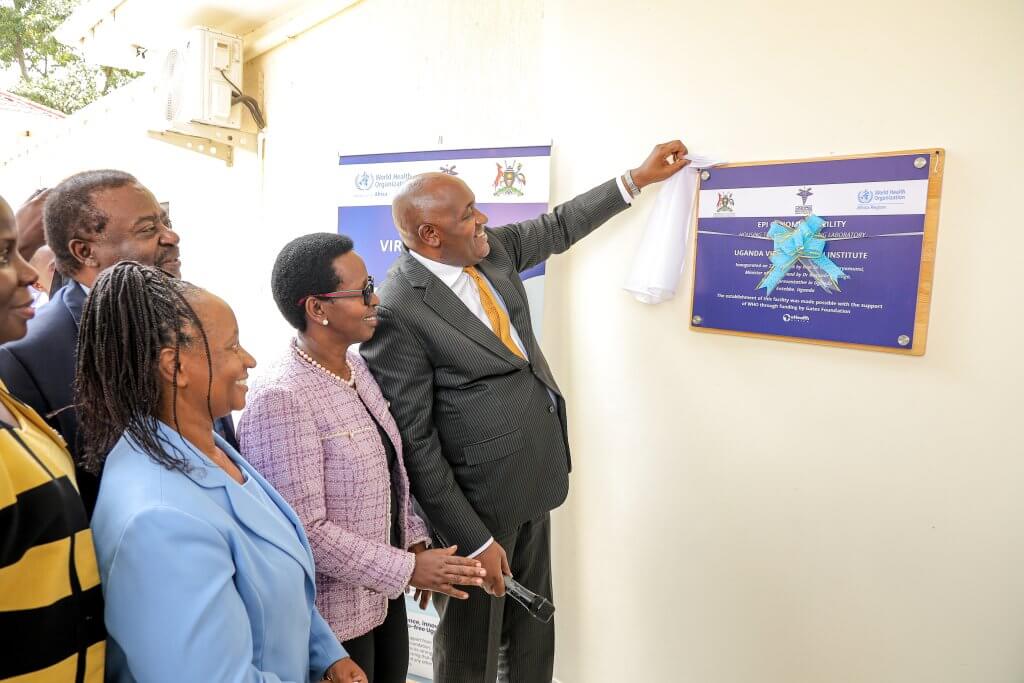
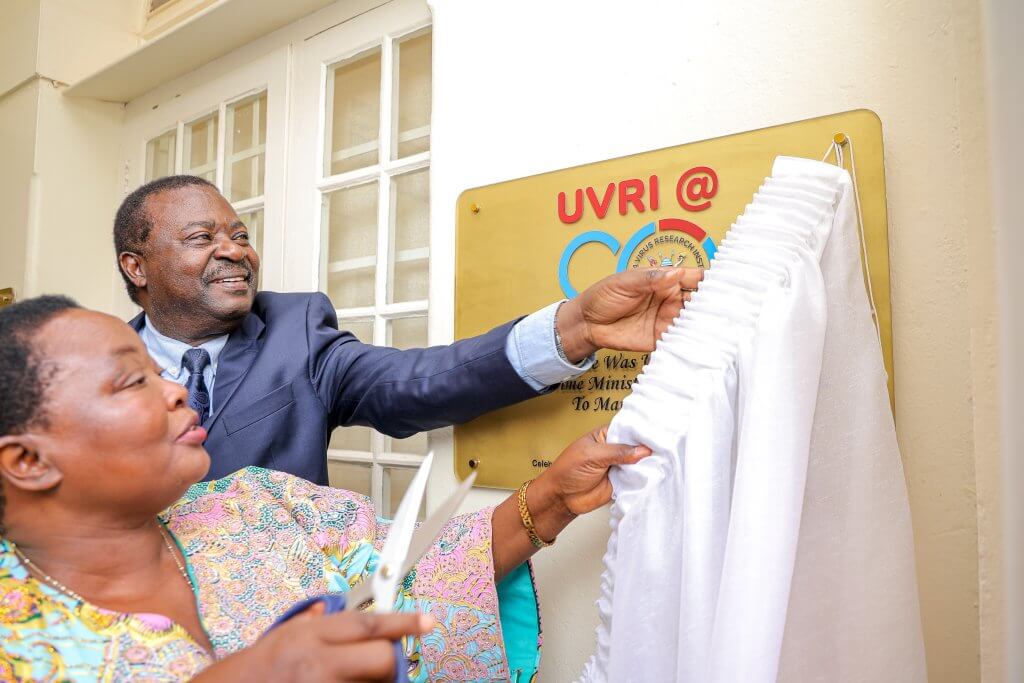
A defining moment of the celebrations was the unveiling of the East African Community Regional Centre of Excellence in Virology and the commissioning of the Regional Polio Laboratory at the Institute’s campus in Entebbe. These landmark achievements position UVRI as a regional hub for advanced virology research, workforce development and outbreak preparedness, while strengthening Uganda’s capacity for disease surveillance and supporting regional and global efforts towards polio eradication.
In his message delivered by the Prime Minister of Uganda, Rt. Hon. Robinah Nabbanja, President Yoweri Kaguta Museveni congratulated UVRI’s scientists, researchers and staff for elevating the Institute to international recognition through decades of groundbreaking discoveries that have transformed public health in Uganda and beyond. He commended UVRI’s contribution to disease surveillance, research and innovation, and reaffirmed the Government of Uganda’s commitment to strengthening investment in science, technology, innovation and scientific capacity, emphasizing that science remains central to national development, disease prevention and the country’s ability to respond to emerging health threats.
As UVRI celebrates 90 years of discoveries and global impact, the anniversary served as both a reflection on a remarkable scientific journey and a renewed commitment to shaping the future of public health.
For Target Malaria, being part of this historic milestone was an opportunity to celebrate a shared commitment to advancing science that addresses some of the world’s most pressing health challenges. Through collaboration, responsible research, and continued engagement with stakeholders, we remain committed to supporting efforts that strengthen public health and improve lives.
As the next chapter begins, UVRI’s legacy reminds us that the discoveries of today lay the foundation for a more resilient future. With continued investment in research, partnerships, and innovation, the Institute is well positioned to continue transforming scientific breakthroughs into solutions that benefit communities for generations to come.