UK Ambassador to Brazil visits our laboratory at Imperial College London
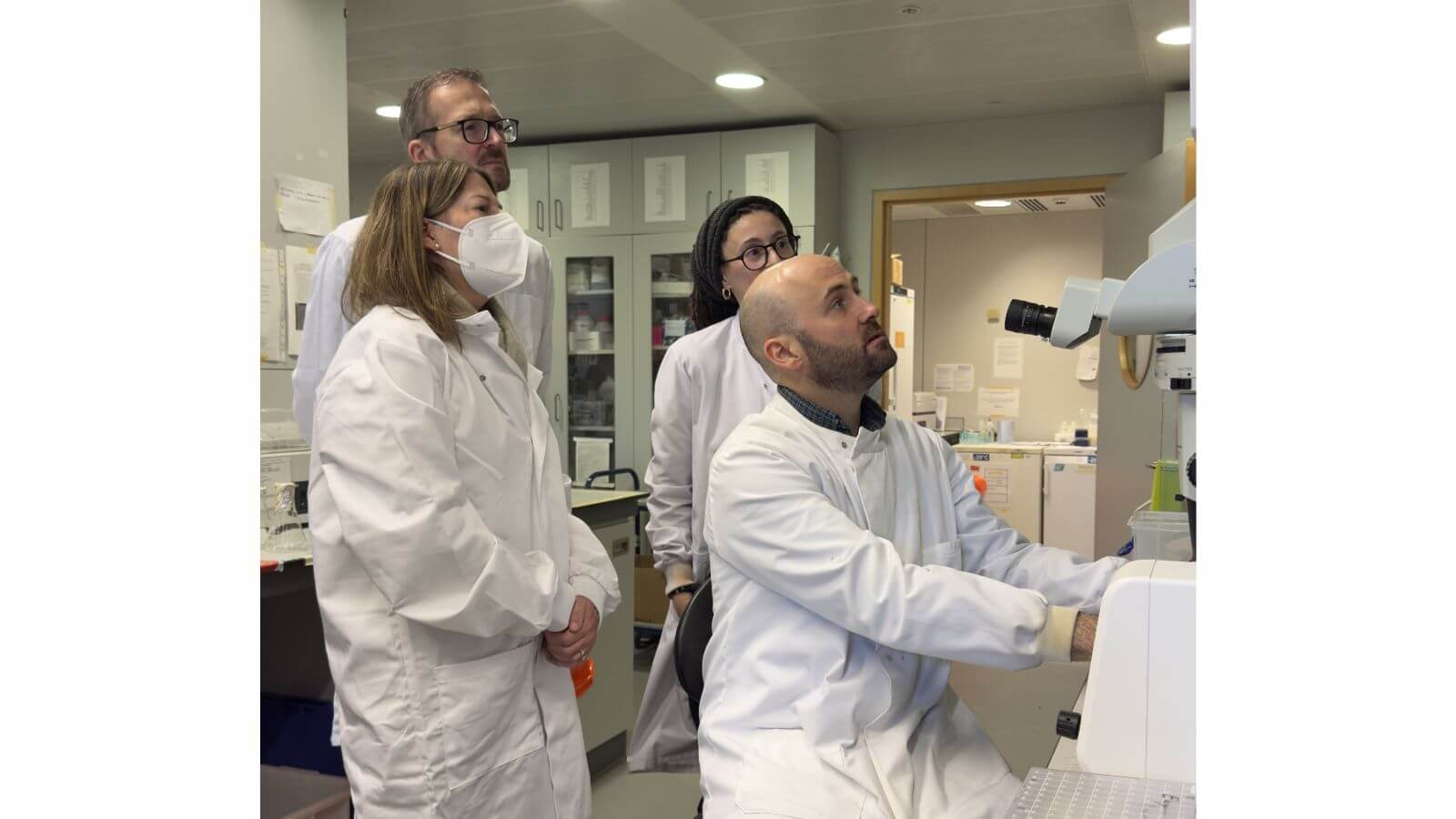

A delegation recently visited our lab based at Imperial College London, including the UK ambassador to Brazil, H.E Stephanie Al-Qaq.
During the visit, my presentation focused on Target Malaria’s research on mosquitoes, explaining the molecular and genetic tools we’re developing. Brazil is one of the countries in the Americas where malaria is endemic1, with transmission of the disease concentrated almost entirely in the Amazon region.
In addition to malaria, Brazil has been facing since the 1980s recurrent dengue outbreaks. Over the past 25 years, dengue has expanded dramatically, with Brazil recording nearly 18 million infections between 2000 and 2024, and experiencing increasingly severe, widespread epidemics driven by climate change, rapid urbanisation, and inadequate sanitation infrastructure. Brazil is consistently one of the most affected countries in the world when it comes to dengue.
During the discussion with the Ambassador, it was highlighted that the technologies Target Malaria is developing for malaria control could potentially be adapted to target other mosquito species, such as the Aedes mosquitoes that transmit dengue, in the future.
During our discussion, we explained the biological differences between Anopheles mosquitoes and Aedes mosquitoes and discussed our broader scientific goals. We did demonstrations with our microscope to provide a close-up view of mosquito larvae.
This encounter highlights the potential for scientific partnerships among countries for the benefit of public health globally.
- https://www.who.int/publications/m/item/malaria-2024-bra-country-profile ↩︎