A Future without malaria

2025 Goalkeepers Report ‘We can’t stop at almost’
This essay is part of the 2025 Goalkeepers Report ‘We can’t stop at almost’. Read the full report here.
Some of my earliest memories are of my younger brother convulsing with fever while my mother tried desperately to cool his body. He had malaria. We knew treatment existed, but we could not afford it. All we could do was pray.
He didn’t just suffer once—he suffered again and again. Watching him, I felt terror and helplessness.
When I caught malaria myself, the pain was so unbearable that sometimes… I wished it would all just end. That is the reality of malaria: You cannot avoid it when it strikes, and once it does, survival is never guaranteed.
Back then, even mosquito nets were out of reach for my family. My mother once told me, “Nets are for rich people.” She faced impossible choices: stay home to tend to a sick child and risk the family going hungry or go to work and risk losing her child. Many Ugandan parents still make those choices today.
Everything changed when the Global Fund to Fight AIDS, Tuberculosis and Malaria arrived in my country—I was 14 years old. Suddenly, mosquito nets and medicines were distributed free of charge.
Community health workers could diagnose and treat malaria in our neighborhoods. For the first time, being poor didn’t mean malaria was a death sentence. In countries where the Global Fund invests, like my own, malaria deaths have dropped by 29% in less than two decades. Without these programs, malaria deaths would have doubled during that same time.
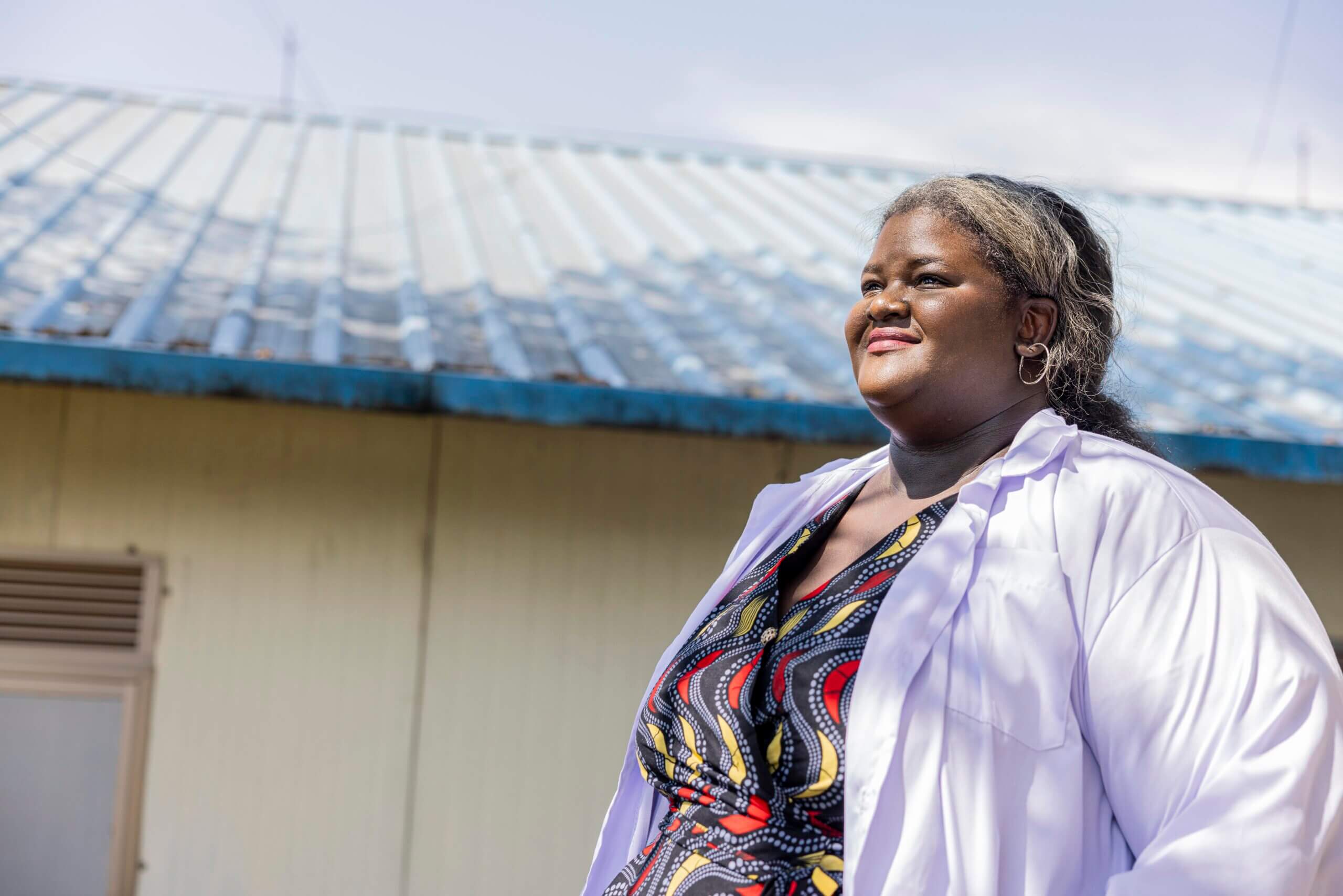
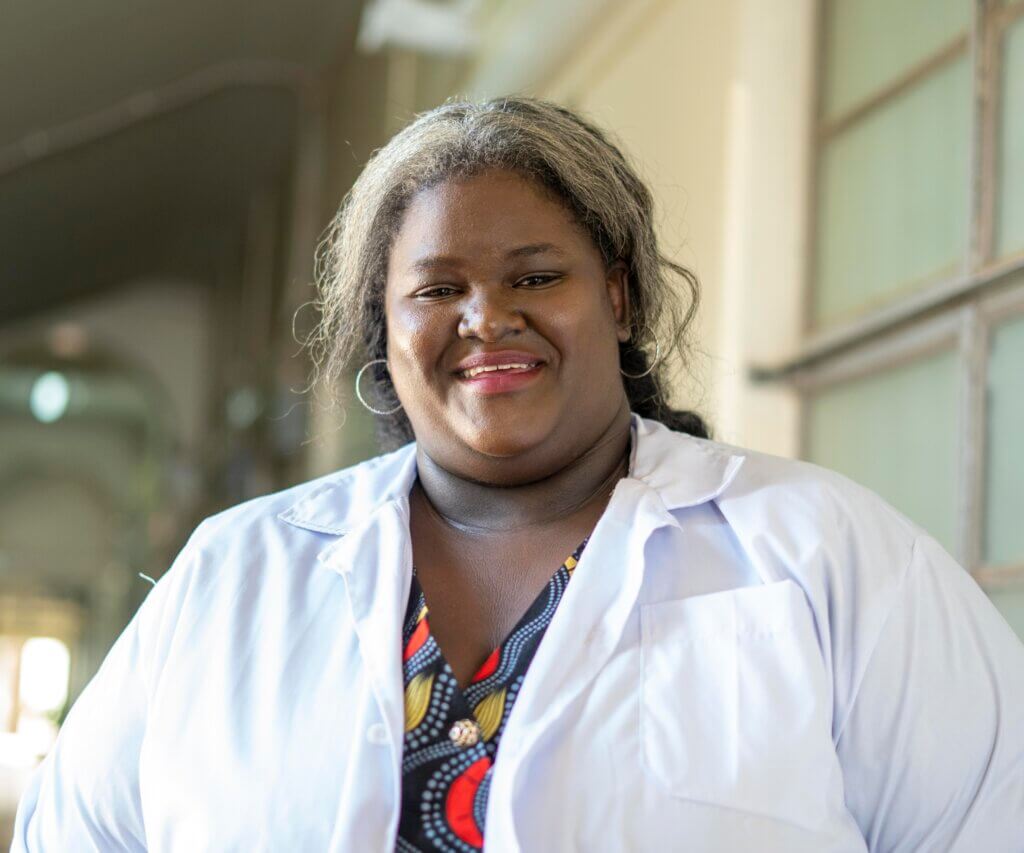
Those interventions gave me a future—and a purpose. Today, I am an entomologist working with Target Malaria at the Uganda Virus Research Institute, developing new genetic technologies to reduce the number of mosquitoes that spread this disease. When I first learned about genetics as a teenager,
I saw how powerful it could be. Many told me my dream to use genetics to combat malaria was impossible. My mother said otherwise. She was right.
Science has continued to advance since I was a child. Today, the world has more tools than ever to fight malaria. Newer, stronger bed nets, indoor spraying, medicines, and vaccines have saved millions of lives. But each faces limits. Mosquitoes develop resistance to insecticides. Parasites evolve resistance to drugs. Vaccines are lifesaving but not yet strong enough to stop transmission alone. And none are sufficient to stop malaria from existing. That is why we need new innovations that could break transmission altogether.
We are studying how gene drive technology—a tool that helps a specific genetic trait spread through a population much faster than normal—could help fight malaria. Only certain mosquito species carry and transmit the malaria parasite. African scientists, including at Target Malaria where I work, are exploring whether modifying the malaria-transmitting mosquitoes’ genes could make them less able to reproduce or prevent them from passing the parasite to humans. Normally, such genetic changes are inherited only about half the time, but with gene drive, the traits can be passed on to nearly all offspring—reducing or even eliminating malaria transmission in the local area.
Of course, research isn’t just about science; it’s about trust. So together with our partners, we are working hand-in-hand with communities—listening, explaining, and ensuring our work is shaped by them.
What drives me is simple: Children are still dying today from the disease that haunted my childhood. I survived because someone invested in me. Now it is my turn to make that possible for others.
A year ago, my son turned 5. For many parents, that milestone is about school readiness. For me, it was about survival. In Uganda, one in 25 children dies before their 5th birthday—most from malaria.
“When my son blew out his birthday cake candles, all I could think was: He is alive. He made it. “
Krystal Birungi
Every child deserves that chance. Ending malaria is not only possible, it is urgent. We African researchers know this—and we are leading the way. We have the innovations. We have the knowledge. And we are advancing our understanding of science to take us over the finish line.
This essay is part of the 2025 Goalkeepers Report ‘We can’t stop at almost’.
2025 is the first year of this century where child deaths will increase. But we can stop this reversal before it becomes a trend, even in a time of tight budgets. With proven solutions and next generation innovations that do more with less, we can save millions of children’s lives, protect the progress we’ve fought so hard for, and wipe out diseases that have plagued humanity for generations.