When science meets community
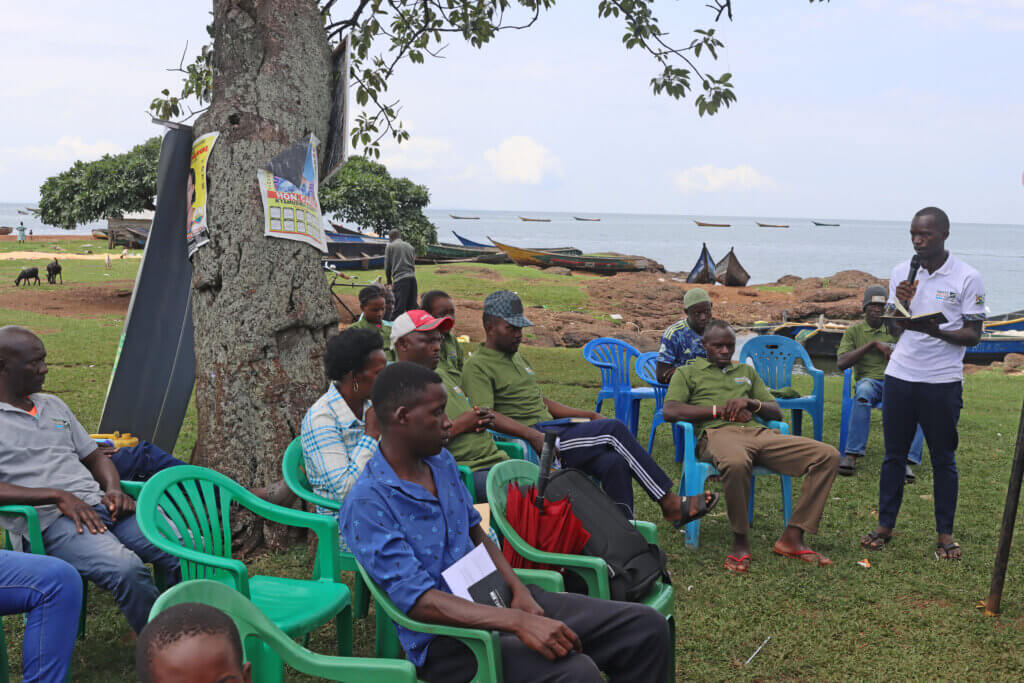
Every day in Lwazi-Jaana Island, Kalangala district begins with a clear mission: to connect, listen, and build trust. For Community Field Stakeholder Engagement Assistants Farooq Ssebugwawo and Ronald Kizito Mbalule, this means moving from morning planning meetings to village pathways, community gatherings, and mosquito-collection sites.
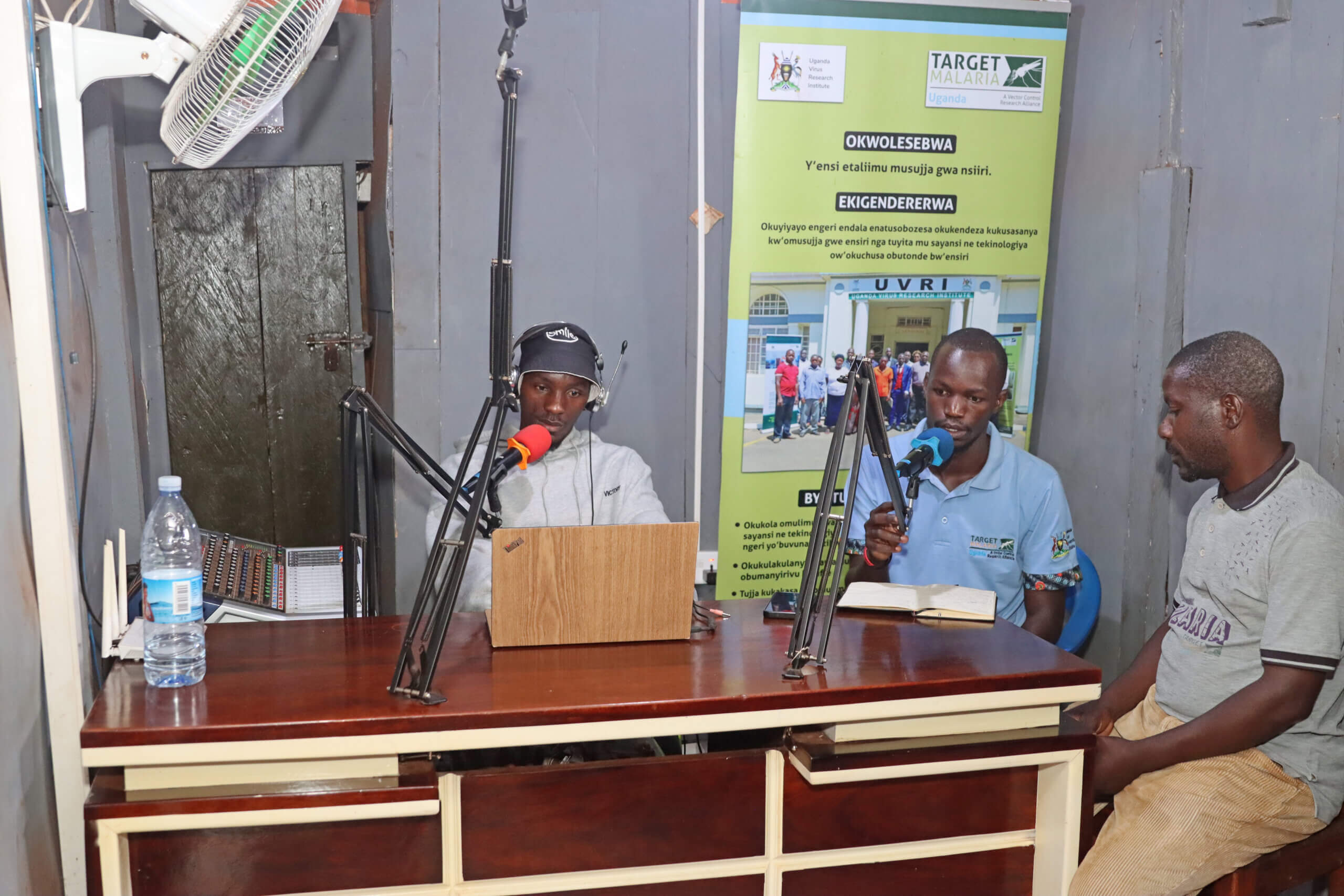
Throughout the day, they share updates about the Target Malaria project, respond to community questions, gather feedback, and strengthen the link between scientific research and the people it aims to support. No two days are ever the same, but each one brings them closer to communities that increasingly view the Target Malaria Uganda project as a shared journey toward a world free of malaria. Keep reading to experience a full day in the field through the work of Farooq Ssebugwawo and Ronald Kizito Mbalule.
Can you walk us through a normal day?
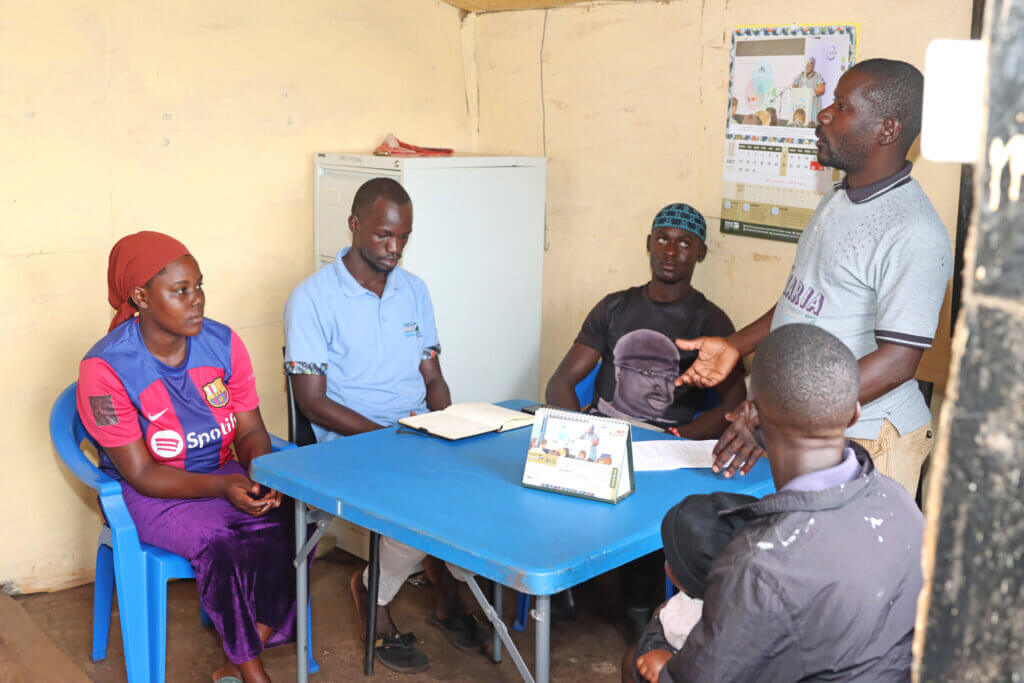
A normal day for us as Community Field Stakeholder Engagement Assistants in Lwazi-Jaana starts with a brief meeting to plan our activities, we discuss who to engage, what messages to share, and which areas to visit. After that, we move to the field to meet community leaders, volunteers, and residents to talk about the Target Malaria project, give updates, and gather feedback. We also check and monitor the malaise traps for proper mosquito collection. At the end of the day, we share our observations and prepare a short report for our supervisor.
What kinds of questions or concerns do communities raise most often?
Most community members often ask different kinds of questions and concerns for example: what is the purpose of mosquito collections? How will the project help reduce malaria?
Some are concerned about whether the traps used in mosquito collection are not dangerous to humans and animals, and others ask how long the project will last.
We also receive questions about the safety of the research and how their participation contributes to the wider goal of malaria control.
What are the strategies you use to ensure communities feel heard and respected?
We always take time to listen carefully to people’s questions and respond clearly using simple, local language that they understand. We involve local leaders in our meetings, so the community feels represented and informed. We also make regular follow-up visits to give feedback, show transparency, and appreciate their cooperation. Respect, honesty, and consistency in communication help us build trust and maintain good relationships with the community.
Are there any tools or activities you use to make science more relatable to the community?
To make science more relatable to the community, we use simple and practical tools such as posters, pictures, and mosquito traps, to demonstrate how mosquito collection is done during community meetings as these help the people understand how the project works. We also organize interactive sessions where community members can see the traps in action and ask questions.
Have you had any challenging experiences you’d like to share and how have you countered them?
One of the main challenges we sometimes face is misunderstandings about the project. For example, some people may think that when the entomology teams come on site for mosquito collections, residents think that they will no longer be bitten by mosquitoes since they have been collected.
When such issues come up, we handle them through clear communication and patience. We take time to explain step by step what we do, involve trusted local leaders to support our message, and give real examples of the project’s benefits.
Every challenge becomes a learning experience that strengthens our connection with the community and improves how we communicate science in simple, relatable ways.
What changes have you seen over time in how communities engage with our work?
Over time, we have seen a big positive change in how communities engage with our work. At the beginning, many people were cautious and asked a lot of questions about mosquito collection and the purpose of the project. But with continuous engagement, open communication, and involvement of local leaders, people have grown more confident and supportive.
Today, community members freely share their views, volunteer to help in activities, and even encourage others to participate. There’s a strong sense of partnership; the community now sees the project as their own, not something external.
What keeps you motivated, and what are you most excited about in the future?
What keeps us motivated is seeing the community’s growing understanding and trust. Every time someone says, “We now understand what you are doing,” it feels like progress. We also enjoy teamwork, planning, and learning new ways to engage people.
Outside work, we like spending time with friends, listening to music, and watching football, which helps us connect better with people during engagements.
We are most excited about seeing how our work will contribute to lasting solutions in malaria control. Knowing that we are part of a project that could one day help eliminate malaria in Uganda and across Africa gives us real purpose and hope for the future.