Target Malaria at the World Conference of Science Journalists
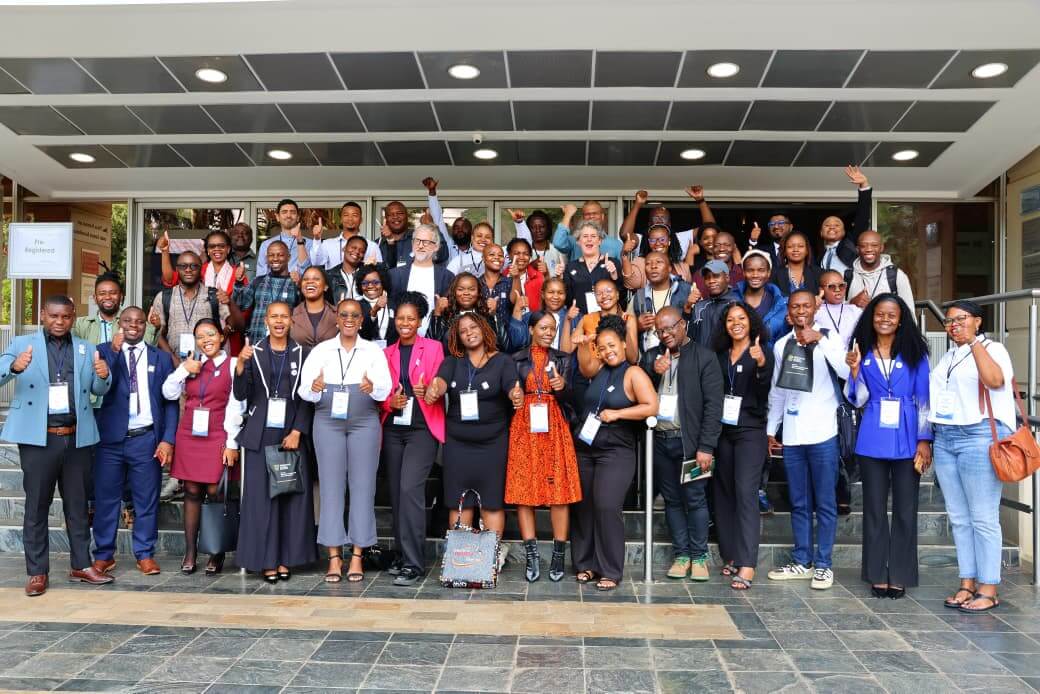

South Africa hosted the 13th World Conference of Science Journalists (WCSJ 2025) in Tshwane, near Pretoria. Under the theme “Science journalism and social justice: Journalism that builds understanding and resilience,” the five-day global gathering attracted delegates from 73 countries.
Organised by the South African Science Journalists’ Association (SASJA) in collaboration with the Science Diplomacy Capital for Africa (SDCfA) and the Council for Scientific and Industrial Research (CSIR), the conference amplified calls for journalists to counter misinformation, harness artificial intelligence and scientific innovation, and champion gender-inclusive reporting. An important theme was to position African science voices at the forefront of global discourse.
Panels on climate resilience, inclusive health reporting and community-centered approach to science communications took center stage at the event. The rise of scientific misinformation and how to tackle it was also at the heart of the discussions, as was the need to communicate more effectively on complex health issues, such as antimicrobial resistance and quantum physics research. These sessions not only sparked lively Q&A exchanges but also fostered cross-continental collaborations, with journalists from Latin America and Asia sharing tactics against political censorship.
Better engaging the public around gene drive research
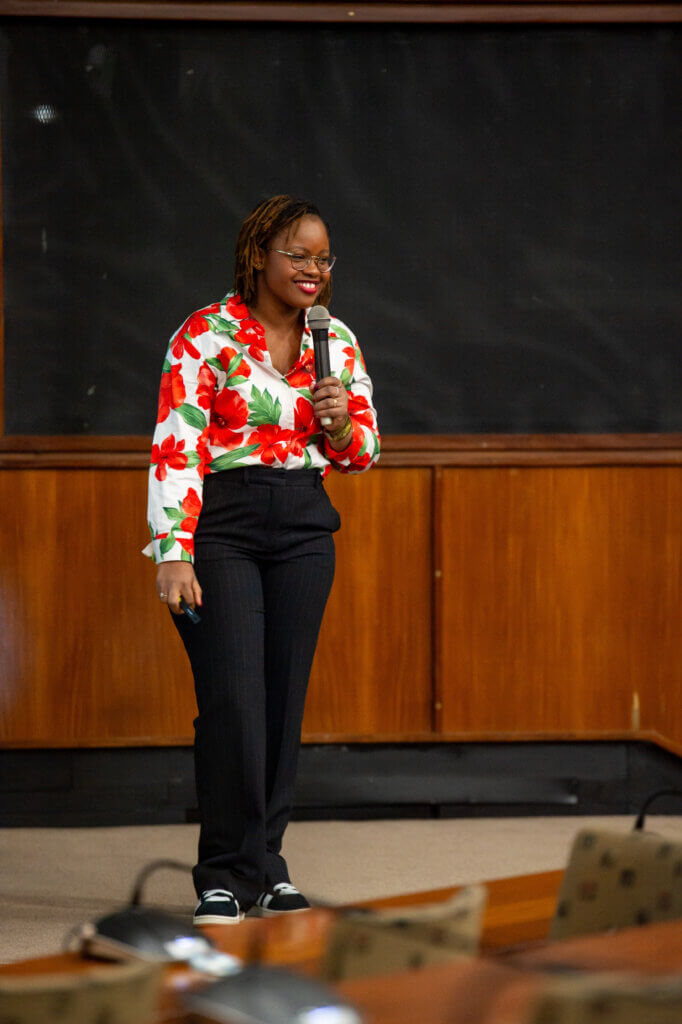
Target Malaria participated in this year’s edition, presenting its video game “Target Malaria: The Game”, designed to engage audiences with the science behind gene drive research. The interactive tool introduces players to the complexities of malaria transmission and the innovative genetic technologies being developed to reduce the burden of the disease. By combining play with learning, the game offers a fresh way to spark curiosity and foster dialogue about scientific innovation.
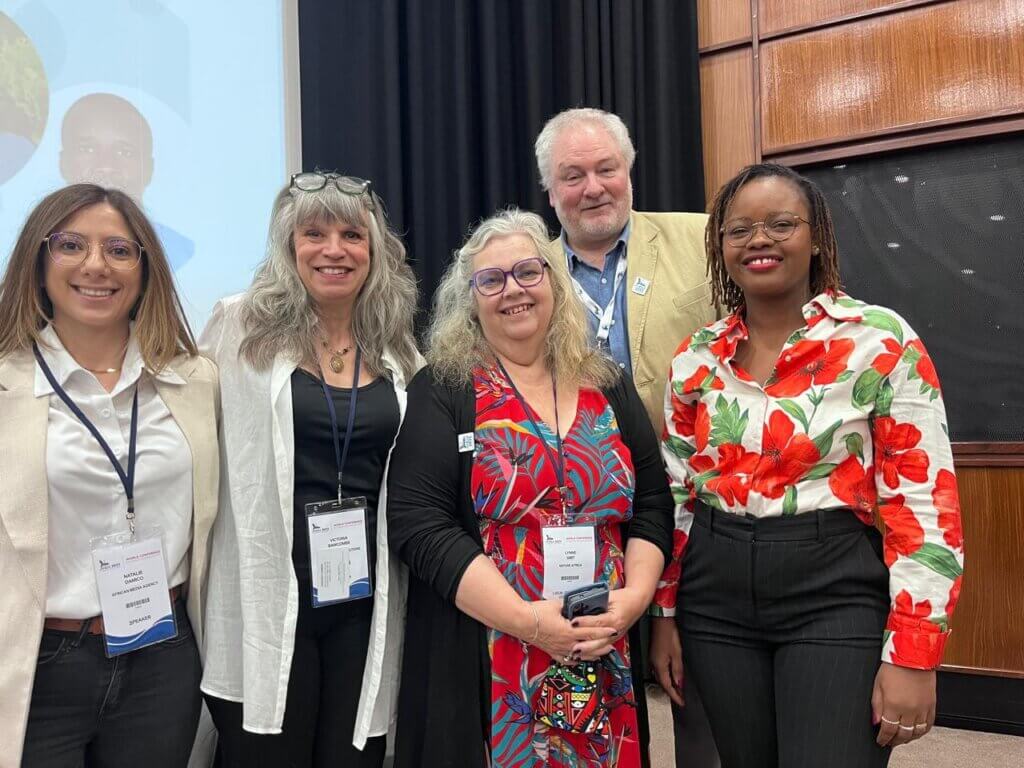
The session, presented in collaboration with storytelling specialists Vicki Bawcombe and Adrian Galley of Useful Story , raised journalists’ awareness of Target Malaria’s work to engage communities, as well as educational resources such as the “Swarm” sonification and the card game “Mozzie Drive”. It aimed to demonstrate how creative tools can bridge the gap between researchers and society, making science more accessible and relatable.

South Africa’s hosting of the World Conference of Science Journalists 2025 underscored the country’s growing leadership in science diplomacy. As the holder of the G20 Presidency in 2025, South Africa placed science, technology, and innovation at the heart of its diplomatic agenda, advancing themes of solidarity, equality, and sustainability.
Through initiatives, such as the Science Diplomacy Capital for Africa and the annual Science Forum South Africa, the country continues to position science as a bridge for collaboration and policy dialogue. These efforts also position South Africa not only as a hub for scientific excellence but also as a convener of global conversations on how research and innovation can address shared challenges.
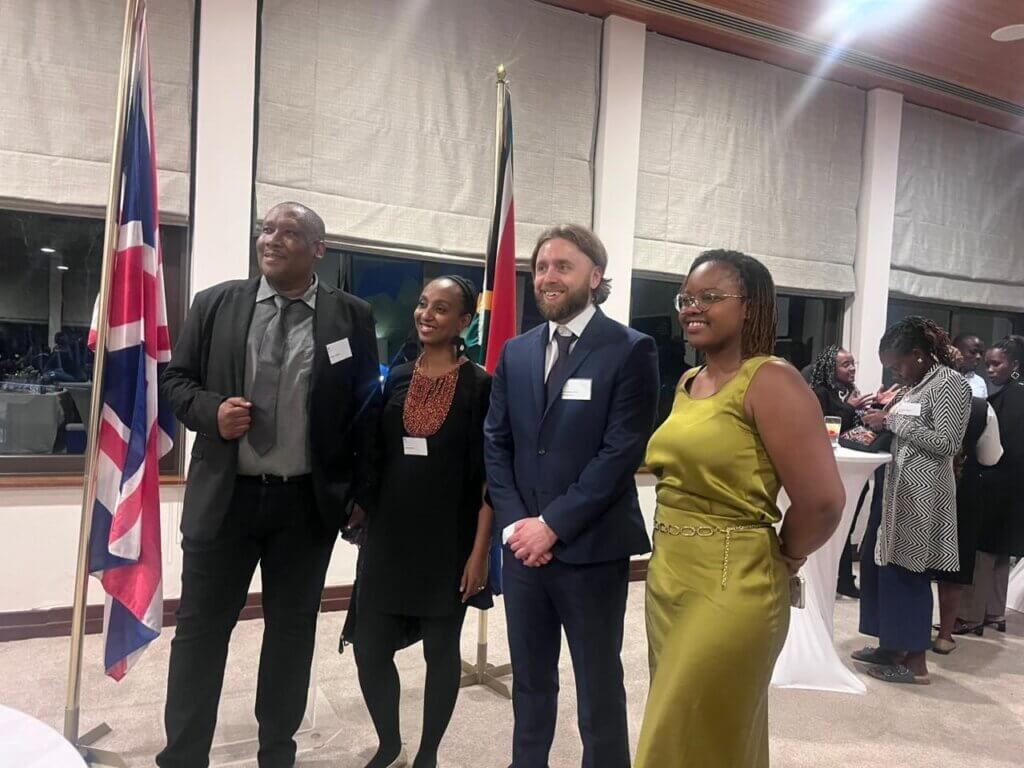
At the end of the conference, the United Kingdom was announced as the host of the 2027 edition of WCSJ, on the theme of “Building Global Networks for a Stronger Profession”.